
"Middle Eastern tradition"
300 article(s) found

Nicaraguan coffee plantation, Nicaraguan coffee growing environment, Nicaraguan coffee.
Nicaragua, located in the middle of Central America, is the largest country in China and the United States, bordering Honduras in the north, Costa Rica in the south, the Caribbean Sea in the east and the Pacific Ocean in the west. The eastern part is the coastal plain, the high temperature and rainy climate belongs to the tropical maritime climate, and the western part is the coastal lowland with more active volcanoes. The north-central part is a highland, with an average annual temperature of 18 ℃ and an annual precipitation of 1500-2500mm.

Turkish coffee is a breathtaking coffee that smells like musk.
There is a Turkish proverb: drink your cup of Turkish coffee, remember your friendship for forty years. A cup of Turkish coffee with cloves, cardamom and cinnamon is full of fragrance when it is hot. No wonder Arabs praise it as musky. Turkish coffee, also known as Arabica coffee, is the ancestor of European coffee, which has a history of 700 to 800 years. When it comes to coffee, you have to mention it.

Turkey's most classic custom of making Turkish coffee
Coffee is a favorite of Westerners, but without Turks, Europeans probably wouldn't have a chance to fall in love with coffee at all. Turkish coffee is as old and mysterious as this nation. Only when it is unveiled can the world of coffee be perfectly presented. Today, Chongqing Brista Coffee West Point training School is going to introduce friends to the world's most classic coffee. Turkish coffee making and soil

Different drinking habits and preferences of coffee lovers
People in the Middle East cling to the traditional way of drinking, roasting coffee beans deep to near dark (DarkRoast), usually ground into a very fine powder, and then boil several times and then add sugar to form a small cup of coffee that is extremely thick, bitter, sweet and precipitated. People sipped the small cup of coffee in an elegant and courteous manner. Southern Europeans and urban Latin America
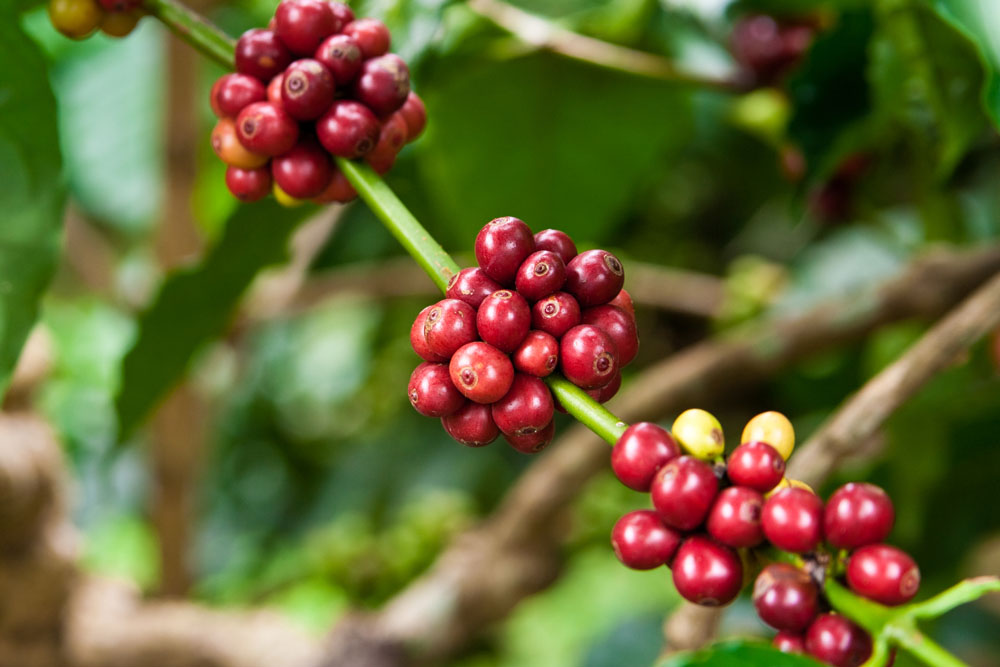
Nicaragua and Lemon Manor Matagalpa produce delicate and rich flavor
Nicaragua, located in the middle of Central America, is the largest country in China and the United States, bordering Honduras in the north, Costa Rica in the south, the Caribbean Sea in the east and the Pacific Ocean in the west. The eastern part is the coastal plain, the high temperature and rainy climate belongs to the tropical maritime climate, and the western part is the coastal lowland with more active volcanoes. The north-central part is a highland, with an average annual temperature of 18 ℃ and an annual precipitation of 1500-2500mm.

The very lovely coffee flavor description of Congo Manor in Nicaragua, the characteristics of grinding degree.
Nicaragua is located in central Central America, bordered by the Pacific Ocean to the west and the Caribbean Sea to the east. The highlands in the north and the coastal plains in the east are part of the Central American volcanic belt. The eastern plain is high-temperature and rainy, with a tropical maritime climate. The suitable climate provides an excellent growth environment for the cultivation of coffee. High-quality Nicaraguan coffee, grown in the north and middle of the country. Coffee is Ni.

Ethiopia Kaffa Forest Lim | Tega & Tula Taiga and Tula Farm Sun G3 Flavor
Professional coffee knowledge exchange more coffee bean information please follow the coffee workshop (Wechat official account cafe_style) Ethiopia Kaffa forest Lim | Tega Tula Taiga and Tula farms the flavor of sun-cured beans? In Ethiopia, sun-dried beans are distinguished by adding 3 and 4 after the name (3 is of better quality). Coffee cherries are harvested with peel and pulp.

Introduction of Nicaraguan Fine Coffee the taste characteristics of Nicaraguan coffee
Nicaragua, located in the middle of Central America, is the largest country in China and the United States, bordering Honduras in the north, Costa Rica in the south, the Caribbean Sea in the east and the Pacific Ocean in the west. The eastern part is the coastal plain, the high temperature and rainy climate belongs to the tropical maritime climate, and the western part is the coastal lowland with more active volcanoes. The north-central part is a highland, with an average annual temperature of 18 ℃ and an annual precipitation of 1500-2500mm.

Description of Coffee Flavor in Lemon Manor in Nicaragua introduction to the taste of boutique coffee beans
Galagua is located in central Central America, bordered by the Pacific Ocean to the west and the Caribbean Sea to the east. The highlands in the north and the coastal plains in the east are part of the Central American volcanic belt. The eastern plain is high-temperature and rainy, with a tropical maritime climate. The suitable climate provides an excellent growth environment for the cultivation of coffee. High-quality Nicaraguan coffee, grown in the north and middle of the country. The coffee is Nika.

Coffee making methods Coffee lovers have different drinking habits and preferences
Coffee lovers around the world have different drinking habits and like people in the Middle East to stick to the traditional way of drinking. They roast the coffee beans so deep that they are close to dark (DarkRoast), usually ground into a very fine powder, and then boil a few times and then add sugar to form a small cup of coffee that is very thick, bitter, sweet and precipitated. People take their time in an elegant and courteous manner
The Coffee planting Industry in China is booming and changing the Poverty-stricken villages
Coffee from the West and tea from the East. With the blending of Eastern and Western cultures, Eastern tea culture has long been integrated into the life of Westerners, while Western coffee has been gradually accepted by more and more Easterners. In the big cities of China, Beijing, Shanghai and Guangzhou, cafes are decorated with urban customs and become fashionable consumption elements. in recent years, China's coffee consumption market has increased by 1. 5% every year.
Fascinating Turkish coffee
Turkish coffee, also known as Arabica coffee, is the ancestor of European coffee, which has a history of 700 to 800 years. The reason why we have to mention Turkish coffee when it comes to coffee is that no matter from the perspective of Islam or Christianity, the origin of coffee is in the remote and mysterious mountains of the Middle East. Coffee was born in Turkey in the 16th century, was commercialized and quickly spread to Europe.
Know more about Turkish coffee.
Turkish coffee, also known as Arabica coffee, is the ancestor of European coffee, which has a history of 700 to 800 years. The reason why we have to mention Turkish coffee when it comes to coffee is that no matter from the perspective of Islam or Christianity, the origin of coffee is in the remote and mysterious mountains of the Middle East. Coffee was born in Turkey in the 16th century, was commercialized and quickly spread to Europe.

Ethiopian Coffee introduces Ethiopian Harald mocha coffee beans
Ethiopia Harald mocha beans (Ethiopian Harar mocha) roast taste and photo photo light roasted Harald coffee beans, brewed in a siphon coffee pot, really have a hint of citrus aroma! This Harald harar raw coffee bean looks like grade 5, irregular, long beans (longer flat beans), short flat beans, round beans, boiled beans
Nicaragua and Lemon Manor Nicaragua is located in central Central America, which is the largest in China and the United States.
Nicaragua, located in the middle of Central America, is the largest country in China and the United States, bordering Honduras in the north, Costa Rica in the south, the Caribbean Sea in the east and the Pacific Ocean in the west. The eastern part is the coastal plain, the high temperature and rainy climate belongs to the tropical maritime climate, and the western part is the coastal lowland with more active volcanoes. The north-central part is a highland, with an average annual temperature of 18 ℃ and an annual precipitation of 1500-2500mm.

Introduction and description of flavor and taste characteristics of sun-cured coffee beans in Haramasala region of Ethiopia
Professional barista exchanges please follow the coffee workshop (Wechat official account qianjiecoffee) Ethiopia is the country where coffee was first discovered, in terms of coffee quality and output, Ethiopia is still the most important producing country and the best, coffee is mostly the traditional Arabica species, the annual output is about 350000 tons and more than 70% are exported to countries around the world, about 15 million people in the country are engaged in coffee

Coffee culture in six major coffee countries
Professional barista exchanges, please pay attention to coffee workshop (Weixin Official Accounts cafe_style ) French coffee culture has heard that France once drank less coffee due to coffee shortage, and immediately saw more people napping. It may seem an exaggeration, but it is true that the French love coffee. When the Gulf War broke out in 1991, France was also one of the participating countries. Some people in the country were worried about the impact of the war.

Coffee beans suitable for hand flushing what coffee beans do you use by hand? Ethiopian Limtega and Tula.
Professional coffee knowledge exchange more coffee bean information please follow the coffee workshop (Wechat official account cafe_style) suitable for hand-brewed coffee beans recommended Property Characteristics: farm features Name name: Tega and Tula Farm Taiga and Tula farms Region producing area: Limu Country country: Ethiopia Ethiopia Grade level: G3 Al

Arabica Coffee how to make Turkish Coffee
There is a Turkish proverb: drink your cup of Turkish coffee, remember your friendship for forty years. A cup of Turkish coffee with cloves, cardamom and cinnamon is full of fragrance when it is hot. No wonder Arabs praise it as musky. Turkish coffee, also known as Arabica coffee, is the ancestor of European coffee, which has a history of 700 to 800 years. When it comes to coffee, you have to mention it.

Introduction to the Nicaraguan Lemon Tree Manor located in Central America
Nicaragua, located in the middle of Central America, is the largest country in China and the United States, bordering Honduras in the north, Costa Rica in the south, the Caribbean Sea in the east and the Pacific Ocean in the west. The eastern part is the coastal plain, the high temperature and rainy climate belongs to the tropical maritime climate, and the western part is the coastal lowland with more active volcanoes. The north-central part is a highland, with an average annual temperature of 18 ℃ and an annual precipitation of 1500-2500mm.